Questions to Ask Before Booking Fotona Laser Treatments
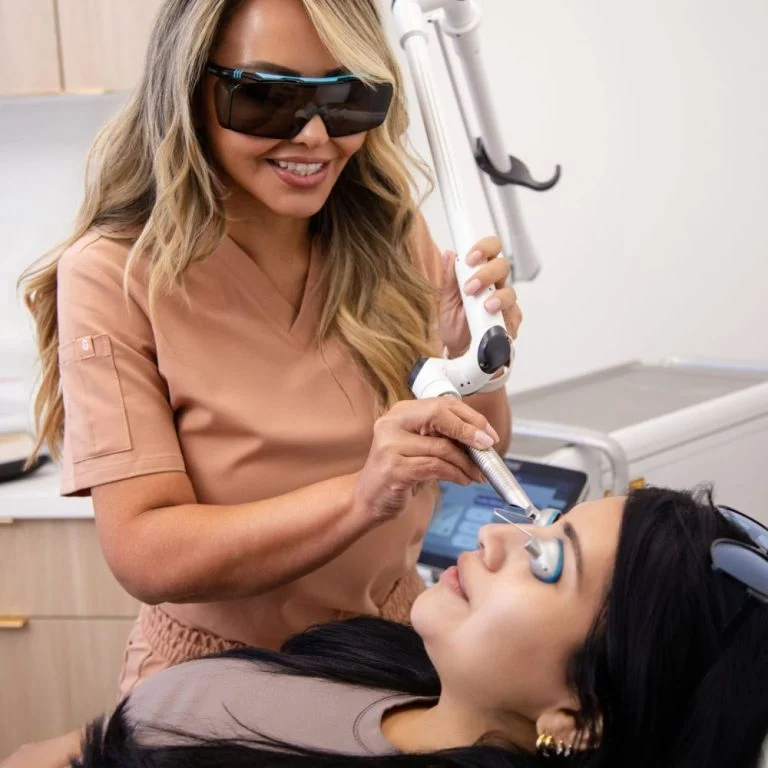
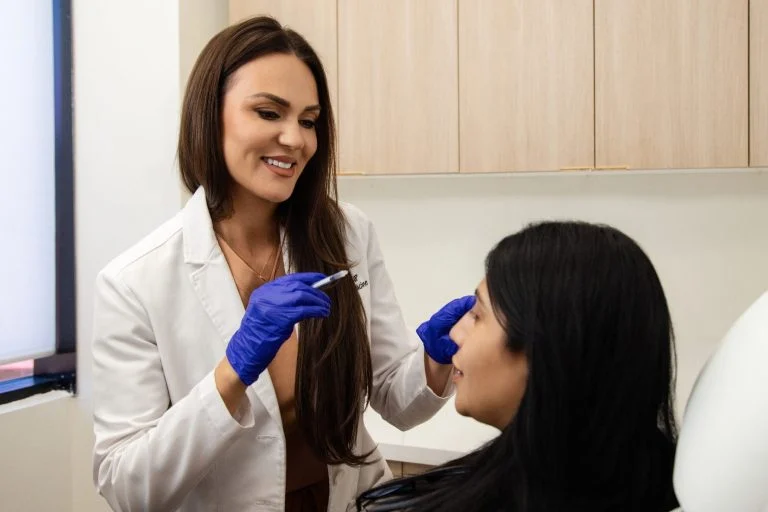
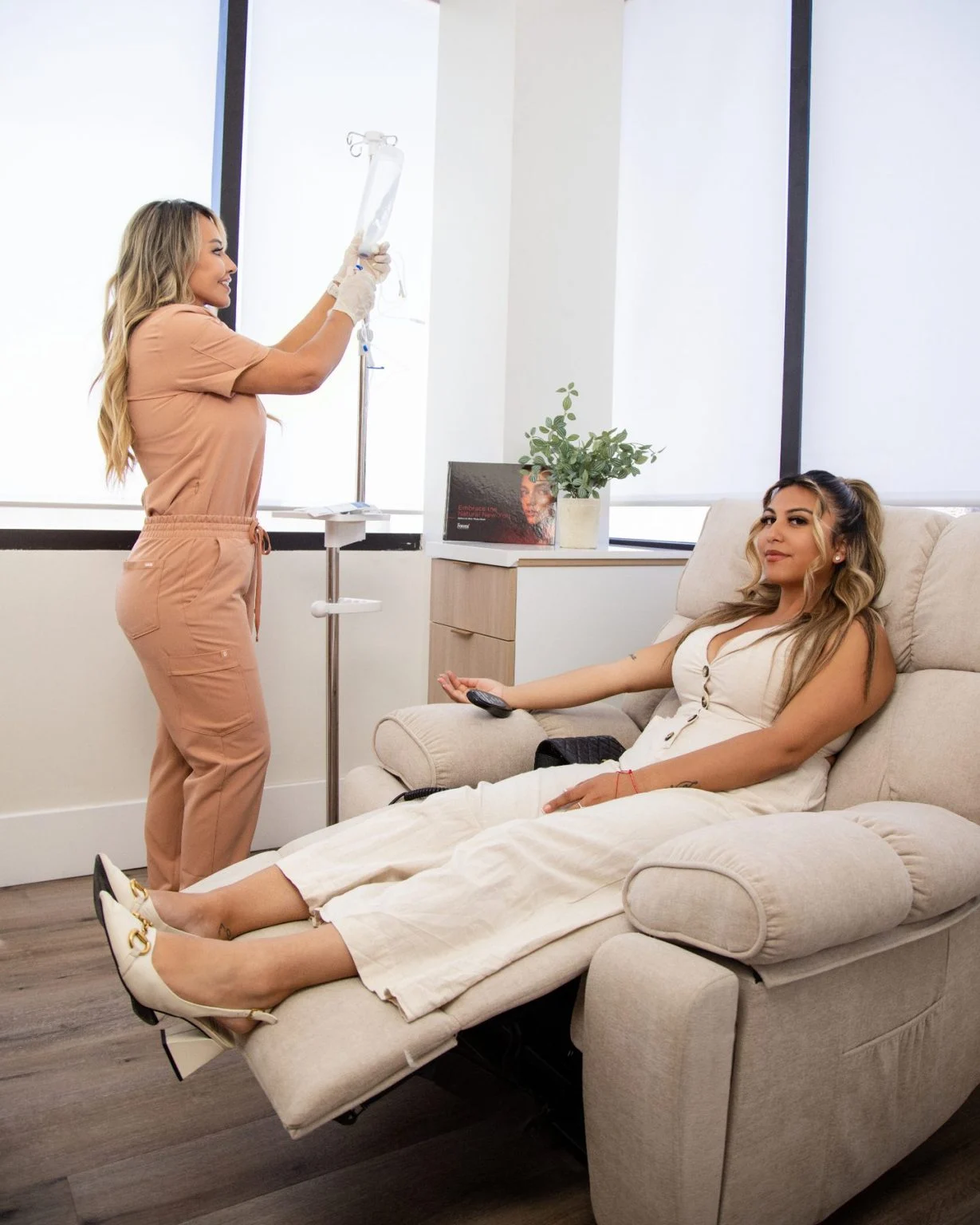
The phrase Fotona Laser Treatments covers more ground than many patients realize. It is not one single treatment in the way a basic facial or a standard peel might be. Fotona is a laser platform used for different concerns, different body areas, and different depths of treatment. That is exactly why the questions you ask before booking matter so much.
I have seen the same pattern play out in clinics over and over. A patient hears that Fotona can tighten skin, improve texture, help with acne scars, refresh the eye area, or support intimate wellness, and they assume the booking process is simple. Then they arrive expecting one result, only to learn that the outcome depends on the laser mode, the settings, the provider’s experience, the number of sessions, the condition of the skin, and whether there is enough healing time before an event.
A smart consultation is not about sounding skeptical or difficult. It is about making sure the treatment plan matches your skin, your goals, and your tolerance for downtime, cost, and uncertainty. The best providers welcome good questions because they know laser work is part science, part judgment.
Start with the most basic question: what exactly are you treating?
Many disappointing laser experiences begin with a fuzzy goal. “I want better skin” is understandable, but it is not clinically useful. Better in what way? Less redness? Tighter lower face? Shallower acne scars? Fewer broken capillaries? Softer under-eye crepiness? Reduced fine lines around the mouth?
Fotona https://andresishe600.opalvector.com/posts/fotona-laser-treatments-and-collagen-remodeling-explained systems can be used for resurfacing, collagen stimulation, vascular work, pigment concerns, scar remodeling, and more, depending on the handpiece and protocol. If your goal is not clearly defined, your provider may recommend a treatment that is technically reasonable but not the best fit for the issue that bothers you most.
A patient once described wanting “a glow” before her sister’s wedding. When we unpacked that, her real concern was not dullness at all. It was early jowling and a tired eye area in photographs. A glow-focused treatment would have given her some surface brightness, but not the lift or tightening she actually cared about. That distinction changed the plan.
Before booking, ask your provider to name the primary concern they are treating first, what improvement is realistic for that concern, and what will probably remain after treatment. That last part matters. Honest medicine includes limits.
Which Fotona protocol are you recommending, and why this one?
This is the question that separates marketing from medicine.
A reputable clinic should be able to explain not just that they use Fotona, but which specific protocol or treatment mode they are recommending. Fotona platforms often use Nd:YAG and Er:YAG wavelengths in different combinations. Those details sound technical, but they translate into practical differences, such as whether the treatment is targeting deeper tissue tightening, superficial resurfacing, vascular lesions, or controlled thermal stimulation without ablating the surface.
If a clinic can only say, “Fotona is great for everything,” without explaining the approach, that is not enough. You do not need a lecture in laser physics, but you do deserve a plain-English explanation.
Ask how the recommended protocol fits your skin issue better than alternatives in the same clinic. If they are suggesting a tightening treatment, ask whether the goal is collagen remodeling, visible resurfacing, or both. If they are addressing scars, ask whether they expect texture improvement, color improvement, or structural softening. These are not interchangeable outcomes.
A confident provider can explain the rationale without hiding behind brand language.
Am I a good candidate based on my skin type and history?
This question is essential, especially for patients with melanin-rich skin, rosacea, active acne, a history of post-inflammatory hyperpigmentation, cold sores, keloids, eczema, or recent use of prescription actives.
Laser risk is never just about the device. It is about the interaction between the device, the settings, and your skin’s behavior. Some patients pigment easily after even mild inflammation. Others flush dramatically and stay red for weeks. Some heal beautifully from aggressive resurfacing. Others need conservative settings and more sessions.
A thoughtful provider should ask about your Fitzpatrick skin type, prior laser history, sensitivity, medications, and wound healing. If they do not ask, volunteer the information. This is not small talk. It directly affects treatment safety.
If you have darker skin tones, ask how often the provider treats patients with your skin type using Fotona. Not occasionally. Regularly. Experience here matters. The issue is not whether darker skin can be treated. It often can. The issue is whether the clinician knows how to balance efficacy with the increased risk of unwanted pigment changes.
If you are prone to cold sores and the treatment is around the mouth, ask whether antiviral prophylaxis is appropriate. If you have melasma, ask whether heat could aggravate it. If you use retinoids, exfoliating acids, or acne medications, ask how long they should be paused before and after treatment.
What results should I realistically expect, and after how many sessions?
This question sounds obvious, yet patients frequently skip it because they are focused on whether the treatment “works.” Almost all laser treatments work in some sense. The real question is how much they work, how predictably, and for whom.
You want specifics. If your concern is acne scarring, ask whether the clinic expects mild softening, moderate textural improvement, or more significant remodeling over a series. If your concern is skin tightening, ask whether changes are subtle, visible mostly in photographs, or noticeable in everyday life. If your concern is fine lines, ask which lines tend to respond best and which are more resistant.
Be careful with terms like rejuvenation and renewal. They are not false, but they are broad. Ask your provider to define success in measurable language. It might be phrased as improved texture, reduced fine wrinkling, firmer eyelid skin, less visible redness, or a certain amount of improvement over several months. Real collagen remodeling is slow. If someone implies dramatic lifting after one session with no downtime and no caveats, you should pause.
Also ask what the provider would consider a reasonable treatment course. Many Fotona Laser Treatments are not one-and-done procedures. Depending on the indication, three to five sessions is common in aesthetic medicine, though some concerns need fewer and some need more. If your budget only allows one treatment, say so upfront. A good clinician will tell you whether a single session is still worth doing or whether it will likely leave you underwhelmed.
How much downtime should I really plan for?
This is one of the most misunderstood parts of booking laser treatments.
Some clinics define downtime as the period when you must stay home. Patients often define downtime as the period when they still look odd, feel dry, cannot wear usual skincare, or do not feel comfortable being seen up close. Those are not the same thing.
For a lighter treatment, you may have redness for a day or two. For more intensive resurfacing, you may have redness, swelling, rough texture, bronzing, flaking, or a sandpapery feel that lasts longer. Around the eyes, even a conservative treatment can create visible puffiness that surprises people. Around the mouth, dryness and sensitivity can linger.
Ask your provider to describe the recovery day by day, not just in a single label like “minimal downtime.” Ask what you will likely look like at 24 hours, 72 hours, and one week. Ask when you can return to exercise, heat exposure, makeup, active skincare, and social events. If you have a wedding, presentation, holiday, or photographs coming up, say so.
I have watched patients book a resurfacing session ten days before an important event because the clinic told them they would be “fine by then.” Fine is subjective. Some people are comfortable with mild residual pinkness. Others fixate on every tiny patch of flaking. Your personal threshold matters.
What are the risks, side effects, and signs that something is not healing normally?
Every laser treatment carries risk, even in skilled hands. Most side effects are temporary and manageable, but you should know what is normal and what is not before you consent.
Normal can include redness, swelling, tenderness, pinpoint crusting, transient dryness, mild peeling, temporary sensitivity, and delayed improvement. Less common but important risks include prolonged erythema, acne flare, herpes reactivation, pigment change, textural changes, scarring, and infection. The risk profile depends heavily on the protocol and settings.
The key question is not “Is it safe?” Any clinic can say yes. Ask instead, “What side effects do you see most often in your hands, and how do you manage them?” That wording gets you closer to reality. Every experienced provider has patterns they recognize. They know which patients swell more, who tends to stay pink longer, and when a normal healing course starts to look abnormal.
You should also ask whether post-treatment support is included. If you develop an unexpected reaction on a Saturday, can you reach someone? Will they review photos? Is there a clear aftercare sheet? Good aftercare often prevents small concerns from becoming big ones.
Who will perform the treatment, and how experienced are they?
This question is more important than brand loyalty.
Patients often book based on the name of the laser rather than the person holding the handpiece. Fotona can be excellent, but outcomes depend on assessment, settings, technique, overlap, endpoint recognition, and restraint. Lasers reward precision. They also punish overconfidence.
Ask whether the treatment will be performed by a physician, nurse, aesthetic practitioner, or technician, depending on local regulations and the clinic model. Then ask how often that person performs your specific treatment, not just laser in general. Experience with one laser indication does not automatically translate to another. Someone may do a large volume of vascular work but less resurfacing, or vice versa.
You can ask how they decide on settings, how they modify treatment for sensitive or darker skin, and what they do when a patient is not responding as expected after the first session. Experienced clinicians tend to answer calmly and specifically. Inexperienced ones often drift back to generic reassurance.
What will this really cost from start to finish?
Laser pricing is often framed per session, but that is rarely the figure that matters. The meaningful number is the full treatment course, plus anything needed before or after.
A session price can look reasonable until you learn that the likely plan is four sessions, spaced several weeks apart, with maintenance later on. There may also be add-on costs for topical numbing, antiviral medication, post-care kits, follow-up visits, or combination treatments that were “strongly recommended” only after you arrived.
Ask for an honest estimate of the typical total spend for someone with your concern and severity. If the answer is broad, ask for a low-high range. Clinics cannot guarantee exactly what you will need, but they should be able to give a realistic map.
This is also the time to ask whether maintenance is expected. Some treatments produce improvements that last well, while others require periodic upkeep if you want to preserve the effect.
Should this be combined with other treatments, or kept simple?
Combination treatment can be smart, but it can also become a sales strategy disguised as customization.
There are legitimate reasons to pair Fotona Laser Treatments with injectables, skincare, peels, microneedling, radiofrequency, or vascular treatments. Skin concerns often overlap. Texture, laxity, pigment, redness, and volume loss rarely arrive one at a time. A patient with etched lines around the mouth may also have volume depletion and dynamic movement that a laser alone will not solve.
The important point is sequencing and necessity. Ask whether the combination is essential or optional. Ask what the laser can do on its own first. Ask whether adding another treatment improves the outcome meaningfully or just marginally. A good provider can tell you when a simpler plan is perfectly reasonable.
Sometimes the most honest answer is that a laser is not the first treatment I would choose for your main concern. That is not a failure. That is good clinical judgment.
What should I do before treatment to reduce risk and improve results?
Pre-treatment preparation is often treated as an afterthought, but it can affect both safety and satisfaction.
You should know whether to avoid sun exposure, tanning, retinoids, exfoliating acids, benzoyl peroxide, waxing, active skin irritation, or certain medications before your appointment. If you are prone to irritation or pigment changes, your provider may want your skin calm and barrier-intact for a period beforehand. If you have recently had another procedure, such as a peel, injectable treatment, or dental work near the treatment area, timing may need adjustment.
Ask whether photos will be taken. They should be. Patients often forget what their baseline looked like, especially when improvements develop gradually. Standardized before-and-after images keep expectations grounded.
One short checklist is worth bringing into your consultation:
- What exact concern are we treating first?
- Which Fotona protocol are you recommending for me?
- How many sessions do you expect I will need?
- What will I look like during the first week of healing?
- What is the total likely cost, including aftercare?
That set of questions alone will filter out a surprising amount of confusion.
How will we know if the treatment is working?
Laser outcomes can be slow, especially when collagen remodeling is involved. That delay creates a common problem: patients either panic too early or overcommit too quickly.
Ask when the first meaningful changes usually show up, when the final result of a session can be judged, and what benchmark the provider uses to decide whether to repeat, modify, or stop. For some concerns, the skin may look temporarily worse before it looks better. Dryness, roughness, or transient darkening of pigment can be part of the process.
A disciplined provider does not chase every treatment with more treatment. They allow enough time to assess response. They compare photos. They look at whether texture, tone, laxity, or scar depth is truly changing. They also know when to say that progress has plateaued.
This is where professional honesty matters most. Not every skin concern reaches the result a patient hoped for, even with good care.
The consultation should feel specific, not rehearsed
There is a noticeable difference between a thoughtful consultation and a branded sales presentation. The first feels tailored. The second sounds polished but interchangeable.
If the provider speaks in very broad promises, gives the same recommendation to every patient, dismisses your concerns about skin type or healing history, or rushes through informed consent, trust your instincts. A consultation should leave you feeling clearer, not just more persuaded.
Watch for practical signs of quality. Does the clinician examine your skin in good lighting? Do they ask what bothers you most? Do they discuss alternatives? Do they explain why they would choose a certain intensity? Do they talk about what not to treat, at least for now? Restraint is often a mark of experience.
Here are a few red flags that are worth taking seriously:
- The clinic cannot explain which Fotona treatment mode they plan to use.
- You are promised dramatic results after one session with no real downside.
- Your skin history, medications, or pigment risk are barely discussed.
- The person consulting you is vague about who will actually perform the treatment.
- Pricing stays unclear until the end, or keeps expanding during the visit.
None of these automatically means a clinic is poor, but taken together they should make you more cautious.
Timing matters more than people think
One of the most practical questions to ask is simply, “Is now the right time?” The answer depends on sun exposure, upcoming events, your work schedule, and the current condition of your skin.
If you have a beach holiday next week, are freshly tanned, are starting a new retinoid, or are in the middle of an inflammatory breakout, delaying may be wiser. If you are heading into a period when you cannot protect your skin from heat and sun, the best laser in the world can become a bad idea.
Likewise, if you have an important event, it may be better to do a more conservative treatment earlier rather than a stronger one too close to the date. Patients usually regret being under-healed more than being under-treated.
The best booking decision is an informed one
Booking Fotona Laser Treatments should feel less like buying a beauty service and more like entering a treatment plan with clear goals, limits, and follow-up. The device matters, but the conversation around it matters just as much.
When patients ask better questions, outcomes tend to improve, not because the laser changes, but because expectations sharpen, planning gets more realistic, and unsuitable treatments are avoided before money and healing time are spent. That is often the difference between a result that feels quietly satisfying and one that becomes a source of frustration.
A good clinic will not be bothered by these questions. They will welcome them, answer them clearly, and sometimes tell you to wait, modify the plan, or consider another approach. That is the kind of answer worth paying for.
OMNIA Wellness Center
Address: 16430 Ventura Blvd Ste 207, Encino, CA 91436
Phone number: +18183868511
FAQ About Fotona Laser Treatments
What is a Fotona laser good for?
A Fotona Laser system is a versatile, dual-wavelength medical laser used primarily for non-surgical skin tightening, anti-aging rejuvenation, and dermatological treatments.
How much does the Fotona laser cost?
The cost of a Fotona laser depends heavily on whether you are looking to purchase a laser machine for a medical practice or are a patient seeking a laser treatment at a medspa.
Is a Fotona laser worth it?
A Fotona laser treatment is generally worth it if you want non-surgical skin tightening, improved texture, and collagen stimulation with very little downtime.